Opening an arcade business can be both exciting and profitable — but success depends on strategic planning rather than simply purchasing game machines. Whether you are an investor, entrepreneur, or operator planning a Family Entertainment Center (FEC), this guide explains the complete process from concept to operation.
This article covers:
- Business positioning
- Site selection
- Layout planning
- Equitment configuration
- Investment costs
- Revenue models
- Operational strategies
1. Define Your Arcade Concept First
Before choosing equipment, you must determine your target audience. Different concepts lead to completely different investment structures.
Common Arcade Business Models
| Model | Target Audience | Key Features |
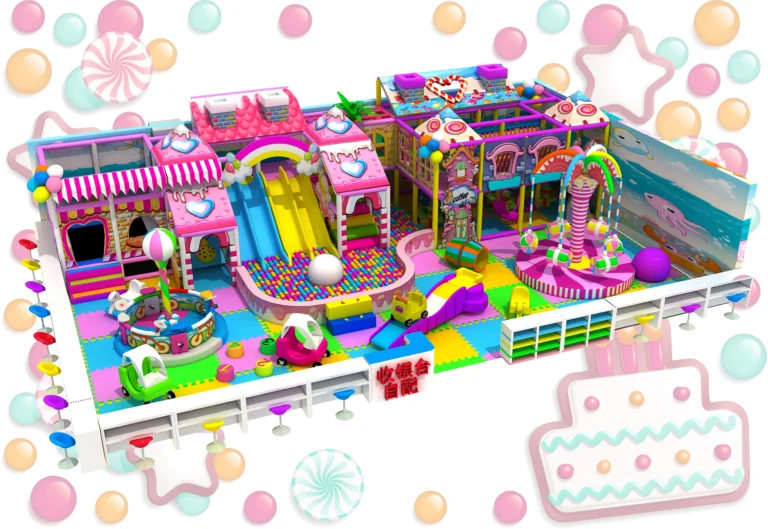
| Children’s Indoor Playground | Ages 2-10 | Soft play & safe environment |
| Family Entertainment Center (FEC) | Ages 5-40 | Multi-attraction venue |
| Classic Arcade | Teens & Adults | Traditional arcade games |
| VR Experience | Young adults | Immersive technology experiences |
✅ In North America and Europe, the Family Entertainment Center (FEC) model is currently the most profitable because:
- Parents pay for entertainment
- Children drive repeat visits
- Birthday parties generate additional income
2. Choosing the Right Location
Location contributes to nearly 40% of an arcade’s success.
Recommended Venue Size
| Area Size | Recommended Use |
| 2,000-3,000 sqft | Small kids playground |
| 5,000-8,000 sqft | Standard FEC |
| 10,000 sqft | Large entertainment canter |
Ideal Locations
- Shopping malls
- Community commercial centers
- Retail plazas with family traffic
- Areas near restaurants, cinemas, or schools
Avoid:
- Office-only districts
- Nightlife-focused zones
Ceiling Height Requirements
| Zone | Minimum Height |
| Arcade Zone | ≥9.84 ft |
| VR / Motion Games | ≥10.50 ft |
| Soft Play Area | ≥11.48 ft – 16.40 ft |
Higher ceilings significantly improve attraction design flexibility. Some attractions such as VR arcade machines and motion simulators require additional installation height and planning.
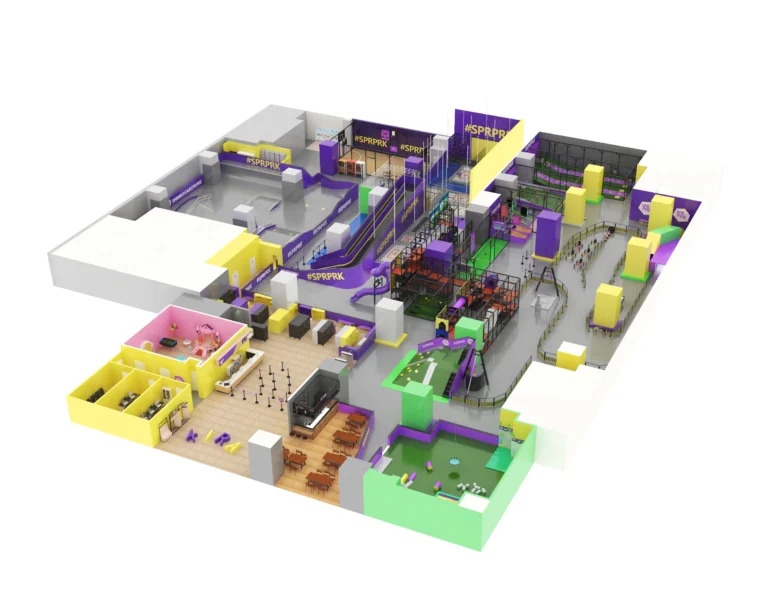
3. Smart Space Zoning (Profit-Oriented Layout)
Successful arcades divide the venue into functional zones to maximize revenue. Proper equipment planning plays a critical role in long-term arcade profitability.
Recommended Space Allocation
| Zone | Percentage | Purpose |
| Toddler Soft Play Area | 25% | Stable ticket income |
| Interactive Motion Zone | 20% | High engagement |
| Sports & Challenge Area | 20% | Teen attraction |
| Prize Redemption Zone | 20% | Core profit driver |
| Party / Seating Area | 15% | High-margin events |
⭐ The Prize Redemption Area is often the highest-profit section of an arcade.
4. Equipment Planning Strategy
A common beginner mistake is buying too many arcade machines without a clear strategy.
A common beginner mistake is buying many different machines without strategy.
Example: 20-Machine Setup
| Equipment | Quanity | Role |
| Redemption Games | 6-8 | Continuous revenue |
| Interactive Motion Games | 4-5 | Crowd attraction |
| Basketball / Sports Games | 2-3 | High replay value |
| Racing Games | 2 | Signature experience |
| VR Attractions | 1-2 | Premium appeal |
| Kids Arcade Games | 3-4 | Family engagement |
Equipment selection should always match:
- Target age group
- Venue size
- Budget level
5. Estimated Investment Cost
Example for a 7,000 sqft Family Entertainment Center:
| Category | Estimated Cost (USD) |
| Interior Renovation | $60,000 – $150,000 |
| Arcade Equipment | $60,000 – $120,000 |
| Prize Inventory | $5,000 – $10,000 |
| Card / Coin System | $5,000 – $8,000 |
| Rent Desposit | $20,000 – $40,000 |
👉 Typical total investment:
$120,000 – $250,000
(Varies by country, rental cost, and customization level.) You can request a customized arcade equipment quotation based on your venue size and target audience.
6. Arcade Revenue Streams
Modern arcades generate income from multiple sources:
Game Card System
Players recharge prepaid cards or coin to play games.
Prize Redemption
Ticket games and redemption arcade machines encourage repeat play and offer strong profit margins.
Birthday Parties & Events
Weekend party bookings can generate $300–$800 per event.
Membership Programs
Monthly or annual passes increase customer retention.
7. Key Operational Success Factors
Arcades rarely fail because of equipment quality. Most failures are caused by:
- Poor layout planning
- Wrong equipment mix
- Lack of prize strategy
- Weak marketing campaigns
Successful operators focus on:
- Clear customer flow design
- Attractive lighting & visuals
- Regular prize updates
- Social media promotion
- Seasonal events
8. Final Advice for New Arcade Investors
Starting an arcade is not just about entertainment — it is about creating a repeatable family experience.
The most successful venues combine:
✅ Entertainment
✅ Social interaction
✅ Competitive gameplay
✅ Family-friendly atmosphere
When planned correctly, an arcade becomes a long-term, scalable business.
Frequently Asked Questions About Opening an Arcade
Before starting your arcade project, here are some of the most common questions investors ask:
A: The total investment typically ranges from $120,000 to $250,000 for a mid-sized arcade (around 5,000–7,000 sqft). Costs vary depending on location, rental prices, renovation level, and equipment selection.
A: Family Entertainment Centers (FECs) are generally the most profitable model because they attract both children and adults, encourage repeat visits, and generate additional income from birthday parties and events.
A: Redemption games, interactive motion games, and sports arcade machines typically generate the highest revenue due to high replay value and strong player engagement.
A: A successful arcade usually requires at least 5,000 sqft for a standard FEC setup. Smaller venues can work with 2,000–3,000 sqft, while larger entertainment centers may exceed 10,000 sqft.
A: Most well-managed arcades can achieve break-even within 12 to 24 months, depending on location, equipment mix, and operational efficiency.
A: Common reasons include poor location selection, unbalanced equipment mix, weak marketing strategies, and lack of engaging prize systems.
A: The most successful arcade business model combines pay-to-play machines, redemption systems, and event-based revenue such as birthday parties and group bookings. This mixed-revenue model helps increase customer spending per visit and improves long-term profitability.
A: Yes. Many modern arcade businesses are integrated into Family Entertainment Centers (FECs), combining arcade machines with attractions like soft play, trampoline areas, and ninja courses. This increases foot traffic, customer retention, and overall revenue per square foot.
Need Help Planning Your Arcade Project?
At Kuliku, we specialize in designing and manufacturing customized arcade and family entertainment equipment. Our team can help you with:
- Venue layout planning
- Equipment selection
- Investment estimation
- Shipping and installation guidance
👉 Contact us today to receive a customized arcade proposal based on your space and budget.